
Emma Vaughan | Clinical Psychologist
BParamedicSc, BPsychSc (Hons), MPsych (Clinical)
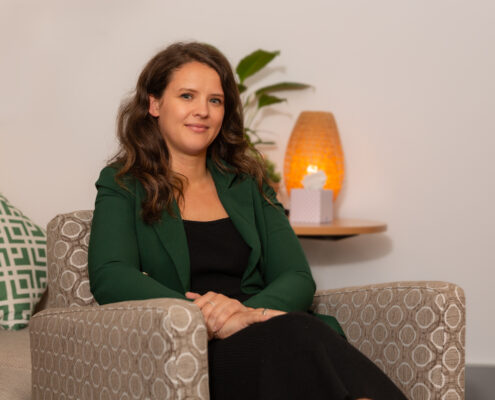
Emma Vaughan | Clinical Psychologist
I have worked extensively with individuals in high-pressure roles, including defence force personnel, veterans, police, and paramedics, and understand the unique impact this work can have. Alongside my private practice, I also work in the public sector supporting individuals affected by cancer, helping people affected by cancer and their families adjust to the emotional challenges that can come with diagnosis and treatment.
I place a strong emphasis on building a genuine, trusting therapeutic relationship. My aim is to create a space where you feel comfortable, understood, and supported to talk openly about what’s going on for you. From there, we work together to understand patterns that may be keeping you stuck and find practical ways to help you move forward and reconnect with what matters most to you.
I take an integrative and flexible approach to therapy, drawing on evidence-based modalities including EMDR, Internal Family Systems (IFS), Cognitive Behavioural Therapy (CBT), Acceptance and Commitment Therapy (ACT), Schema Therapy, and Compassion Focused Therapy.
I work with adults (18+) experiencing:
- Trauma and complex trauma
- Burnout and work-related stress
- Depression, anxiety, and adjustment difficulties
- Grief and complex grief
- Cancer-related challenges (psycho-oncology)
- Interpersonal and relationship difficulties
My background includes working in cancer services across the Northern Territory and Victoria, as well as providing psychological support within police, fire, and emergency service settings. Prior to becoming a psychologist, I completed a degree in paramedic science, which continues to shape my understanding of frontline work and trauma.
I am also a board-approved supervisor, providing supervision to provisional psychologists, clinical registrars, and registered psychologists.
An interview with Emma Vaughan
Why did you become a psychologist?
So it’s actually been a bit of a journey for me in becoming a psychologist. It was my last semester of my paramedic degree when I realized that what I enjoyed about work I was doing throughout my placements was getting to know people’s stories and getting to know them. But as a paramedic, that was very limited especially with the mental health patients. And so I went back to the drawing board and thought about a career in which I can do what I’m really passionate about, which is learning people’s stories. And that’s when I came across psychology. Once I started the psychology degree, it was an ‘aha moment’ for me and I’d found my thing.
What are you passionate about in Psychology?
There’s a couple of things I’m really passionate about in the field of psychology. The first one is a self-compassion approach. And what that is, is helping people heal that relationship they have with themselves, because that relationship is one of, if not the most important relationship that they have in their lives. Once you see people start to change that and see themselves in a different way, talk to themselves in a different way – it’s amazing to see the results that can have. The other area of psychology that I’m really passionate about is psycho-oncology. So that’s working with people with cancer and their families. Why this is such an important area is because cancer is such a life changing experience and it turns people’s lives upside down. When I’m working with people with cancer, it’s trying to help them find meaning in their lives and adjust to a new normal, also to reduce that distress that they might have after they’ve had a cancer diagnosis.
What gives you a sense of satisfaction?
The sense of satisfaction in my work is actually when I’m no longer needed and my job becomes redundant. And how this happens is when clients start to put the things that we’ve talked about in session, the strategies that we’ve gone through into practice in their real life. And what they start to say, see and think is, ‘I’ve got this’ and when you see that with clients, it’s just such a satisfying and rewarding thing. It’s an honour to be a part of that process as well.
What can a client expect in their first session?
So in the first session, it’s really important that we create a safe space for you. And you’re coming with a story that you might not have told to anyone else before. So essentially, I want to create that safe space first and foremost and then meet you where you’re at, what you’re hoping to get out of therapy, what experiences you might have had with therapy in the past, what’s worked for you, what hasn’t worked so well for you. And then often create some concrete goals around what you’re hoping to get out of the sessions. And lastly, I think most importantly, is making sure we’re a fit because the best work is when the psychologist and the client have a really good working relationship. If you feel like that’s not possible, then finding someone that is a good fit for you.